A History of Community Self-Determination
Paterson 1913 Silk Strike
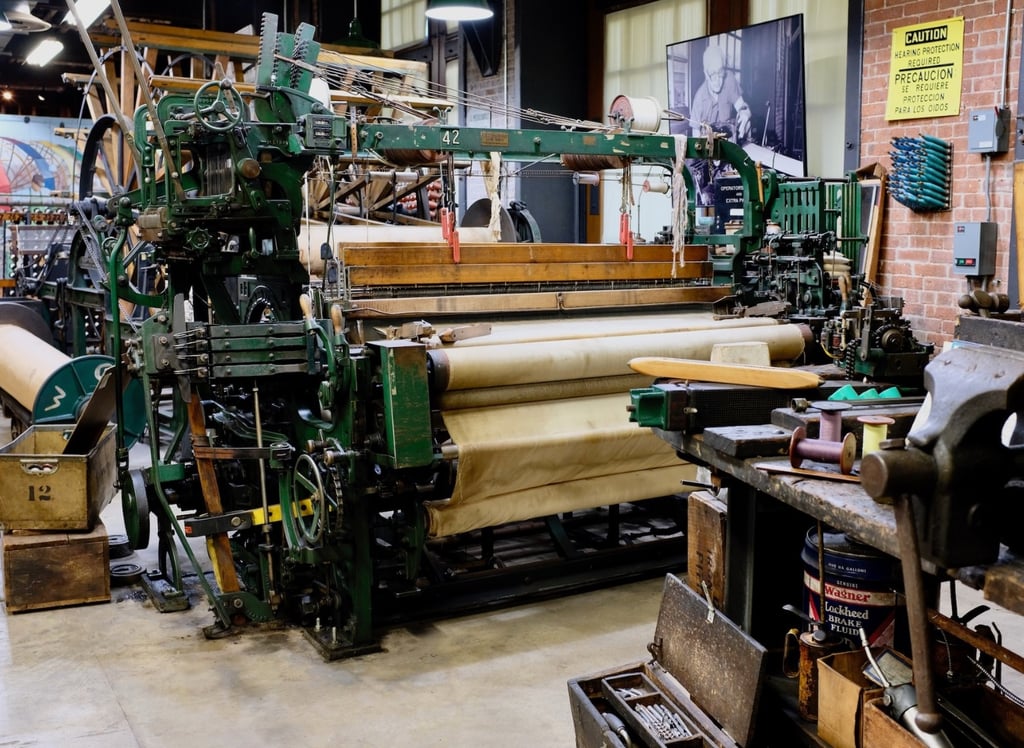
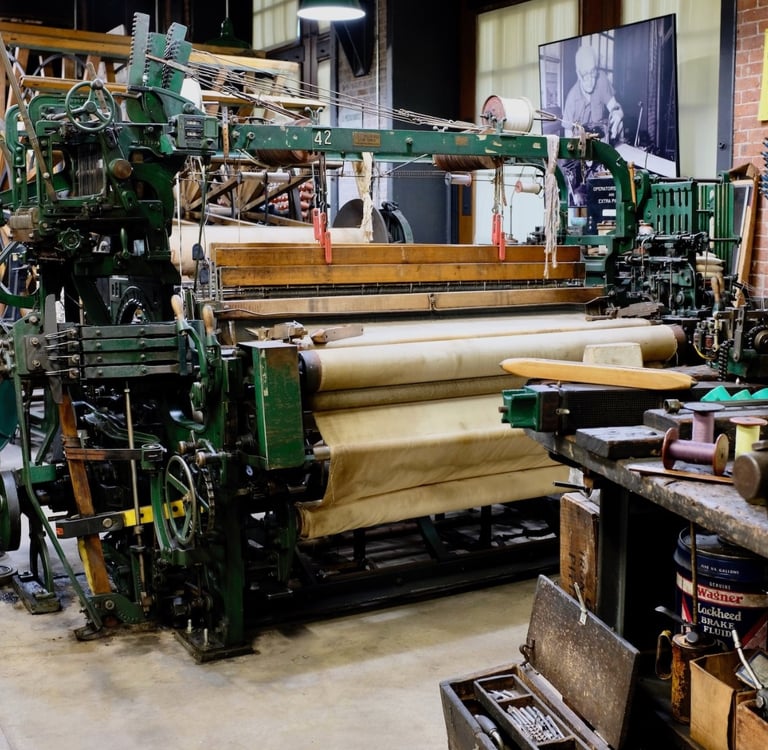
Nicknamed “Silk City,” the first silk was woven onto bobbins in Paterson in 1839. By the 1880s, production had increased substantially and Paterson became the greatest producer of silk in the United States.
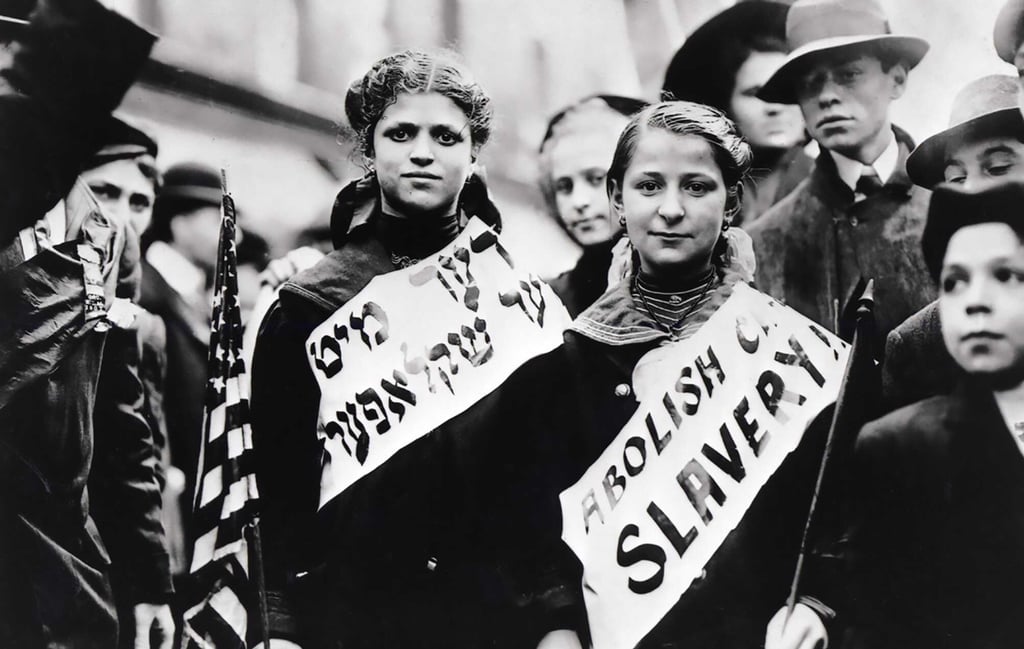
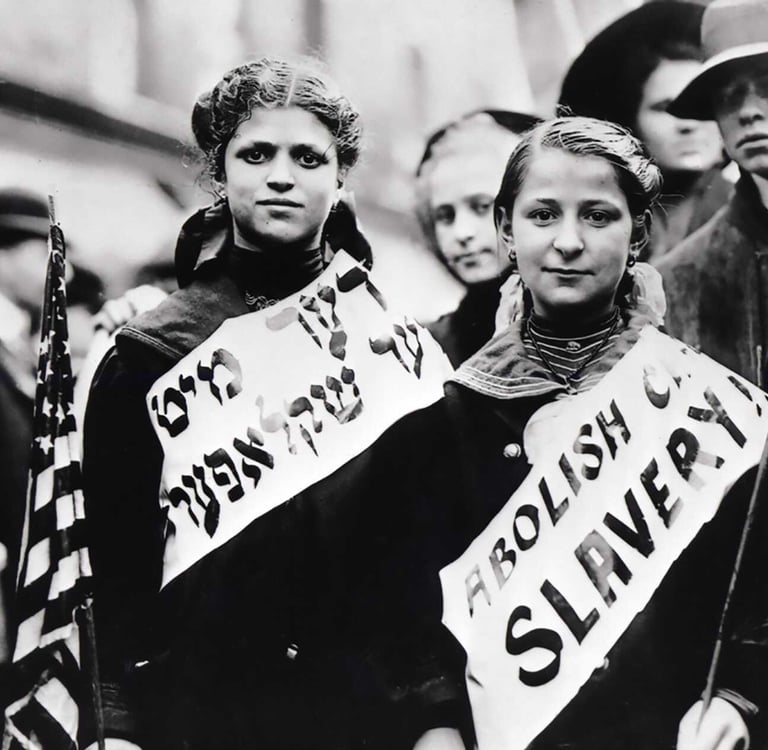
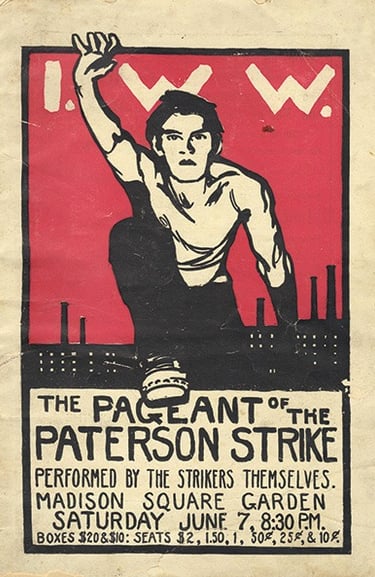
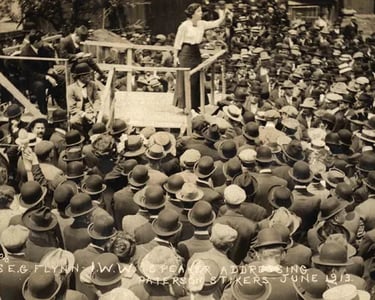
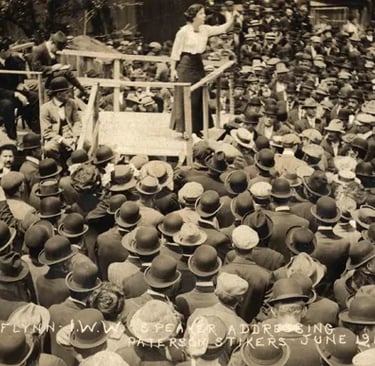
Rather than accept the poor working conditions, the silk workers went on strike. During the strike, 1,850 strikers were arrested and jailed, 300 mills and dye houses were shut down, and many of the most prominent leaders in labor came to Paterson to rally workers and boost morale.
The Paterson Silk Strike is notable
for its duration, the number of
workers involved, the prominence
of its leaders and supporters, and
for the Pageant, during which
revolution and art were melded
together. This strike was notable,
too, for its non-violence, especially at a time when violent confrontations were happening in labor disputes around the country.
However, with the technological advances of the early 1900's, the original boon to high paying jobs became under threat. In late January 1913, the silk weavers of the Doherty Silk Mill rejected a four-loom system for the second time, which would have required each already overworked weaver to run four massive looms instead of two.
The 1913 Paterson Silk Strike brought together over 25,000 workers in a unified demand for fair hours and dignified working conditions. For five months, the strike demonstrated an extraordinary level of coordination and solidarity, even reaching a national audience through a large-scale worker-led pageant at Madison Square Garden. While the strike did not achieve immediate victories, it became a lasting symbol of Paterson’s capacity for collective action.
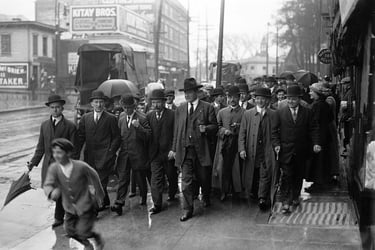
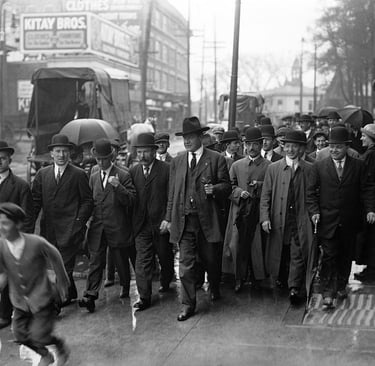
William Dudley Haywood at the 1913 Paterson Silk Strike
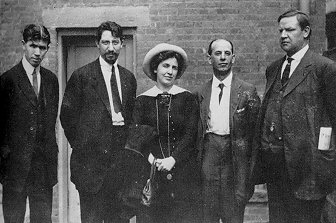
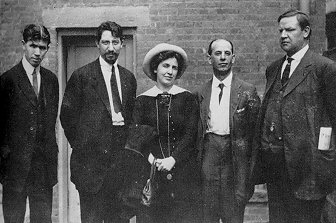
Paterson Strike Leaders
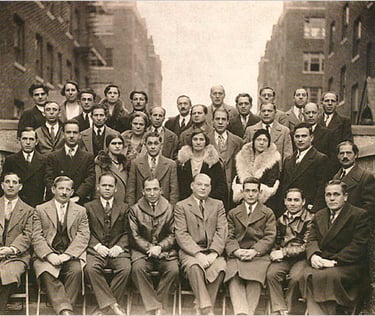
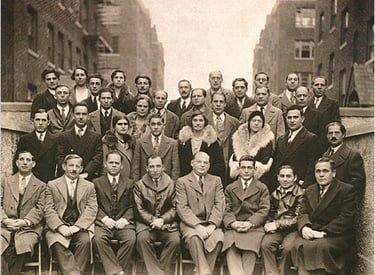
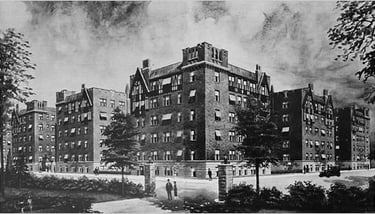
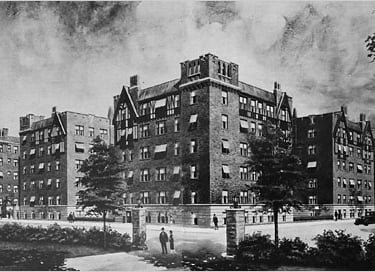
In the 1920's a group of textile workers pooled together their money to buy a building that would come to be known as the coops. They leveraged their buying power to protect their community. By collectively owning the building, no single member could be evicted during financial hardship and the price of rent would not be raised.
Education was emphasized in the institution with classes and clubs for dance, chemistry, boxing, and Yiddish.
Visitors from around the city came to admire the ivy-covered brick walls, bountiful gardens, and stone pools filled with goldfish and water lilies.
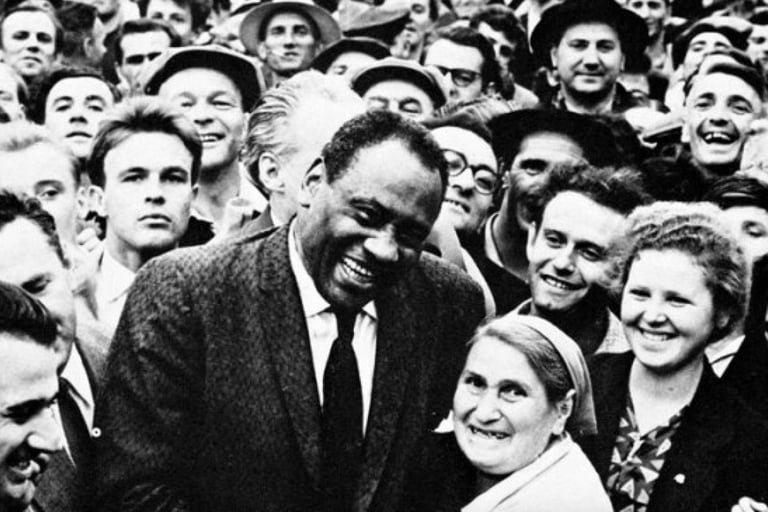
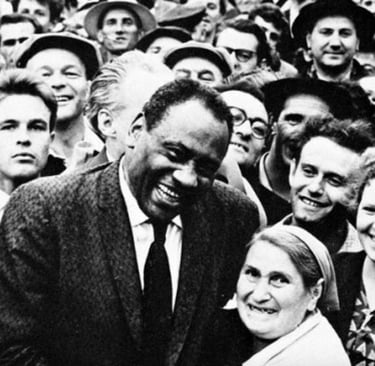
Paul Robeson, a famous academic, singer, and activist. Robeson often sang in Yiddish and was adored by many residents of the Coops.
The Coops - Bronx, NY
The Coops even fought for civil rights. The residents bothwere involved with direct political action, but also the board explicitly reserved apartments for Black families facing systemic housing discrimination, and residents picketed facilities that discriminated against people of color, such as the nearby Bronxwood Pool.
In the early 20th century the Greenwoods area of Tulsa Oklahoma would come to be colloquially referred to as Black Wall Street.
The strip included barbershops, schools, doctors’ offices, real estate agencies, two newspaper businesses (one being the previously mentioned Tulsa Star); a food emporium, “Welcome Grocery”; the iconic “Dreamland Theatre” (Grubb), the first African American owned theatre in Tulsa; a few high-rated hotels, including the three-story, 65-room Stratford Hotel (Gara), the largest African American owned hotel in the nation; and many more places of business, as well as the residential areas, owned and rental.
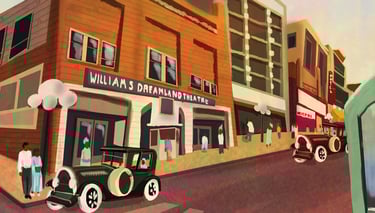
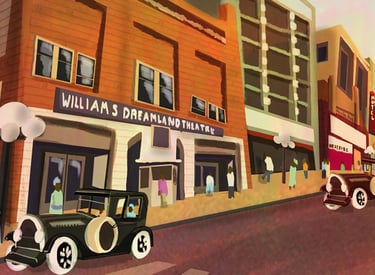
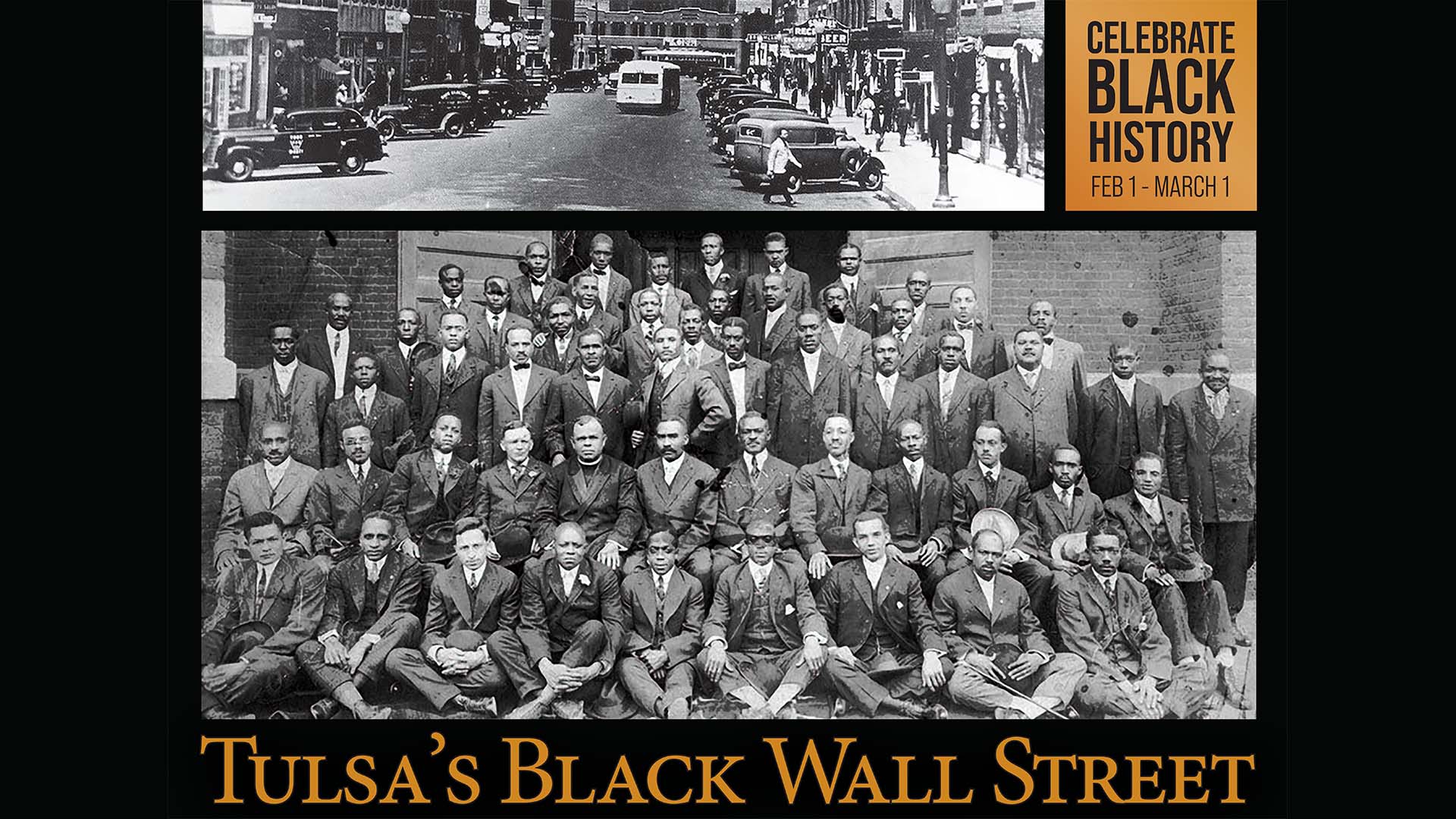
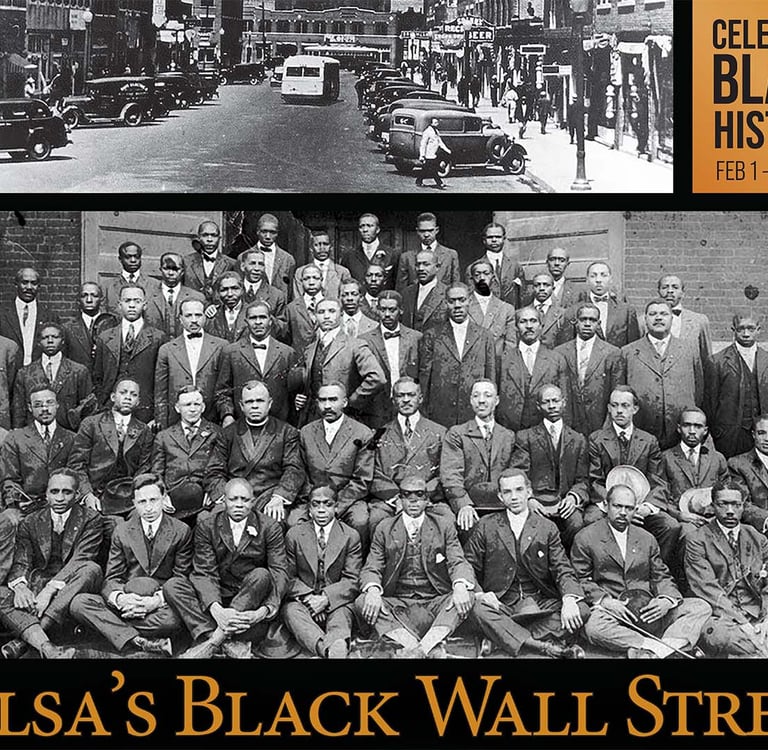
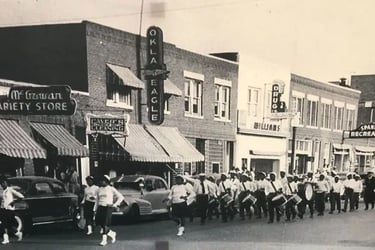
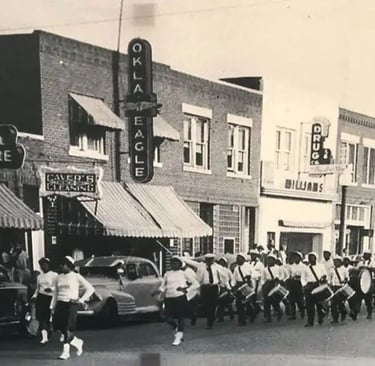
Although the area would eventually would be decimated in 1921 in a tragic event that is now known as Tulsa Race Massacre, Tulsa stands historically as the epitome of what can be achieved by Black collective action and the prosperity that can come with it.
Tulsa Oklahoma (aka Black Wall Street)
Join Us
Stay updated on Paterson Pulse projects